Cooling Gel Pads for Memory Foam Pillows: An OEM Buyer’s Guide
Cooling Gel Pads for Memory Foam Pillows: An OEM Buyer’s Guide
Adding a cooling gel layer is one way to develop a new memory foam pillow or update an existing product range. For pillow manufacturers and bedding brands, the first step is choosing a gel pad that matches the pillow shape, cover and production process.
Moda Summer manufactures cooling gel pads and custom gel components for bedding applications. We work with customers on gel size, shape, thickness and structure according to their product requirements.
This guide explains what to consider before ordering cooling gel sheets for pillows.
What Is a Cooling Gel Pad for a Pillow?
A pillow gel pad is a separate gel component used near the sleeping surface of a pillow. Depending on the design, it may be attached to the foam core or held inside a dedicated cover compartment.
A separate gel layer differs from gel-infused memory foam, where gel is distributed within the foam. Buyers should specify which construction they need when requesting samples or quotations.
The cooling sensation of a passive gel pad depends on the material, room conditions, cover fabric and contact time. It does not actively refrigerate the pillow or maintain a fixed temperature throughout the night.
Choosing How to Integrate the Gel Pad
Bonding a Gel Sheet to an Existing Foam Core
For manufacturers using an established pillow mold, a separately produced gel sheet can be evaluated for attachment to the foam surface.
The gel outline should match the intended contact area without creating raised edges beneath the cover. Adhesive compatibility, bonding strength and the finished pillow feel should be checked using the customer’s actual foam and fabric.
This approach is worth considering when the goal is to retain the existing foam core design.
Developing an Integrated Gel-and-Foam Pillow
Some pillow designs incorporate a gel component during foam molding.
Before selecting this method, the gel supplier and pillow manufacturer should review the foam formulation, molding conditions, positioning method and required bond between the materials.
Compatibility should be confirmed through trials. A gel sheet intended for surface bonding should not automatically be assumed suitable for an in-mold process.
Using a Removable Gel Insert
A pillow cover with a suitable internal pocket can hold a separate gel insert.
For this construction, buyers should consider how the insert stays in place, whether its edges can be felt through the cover and how the component is removed and cleaned.
The pocket dimensions and fabric stretch should be evaluated together with the gel pad.
Specifications to Confirm Before Ordering
Size and Shape
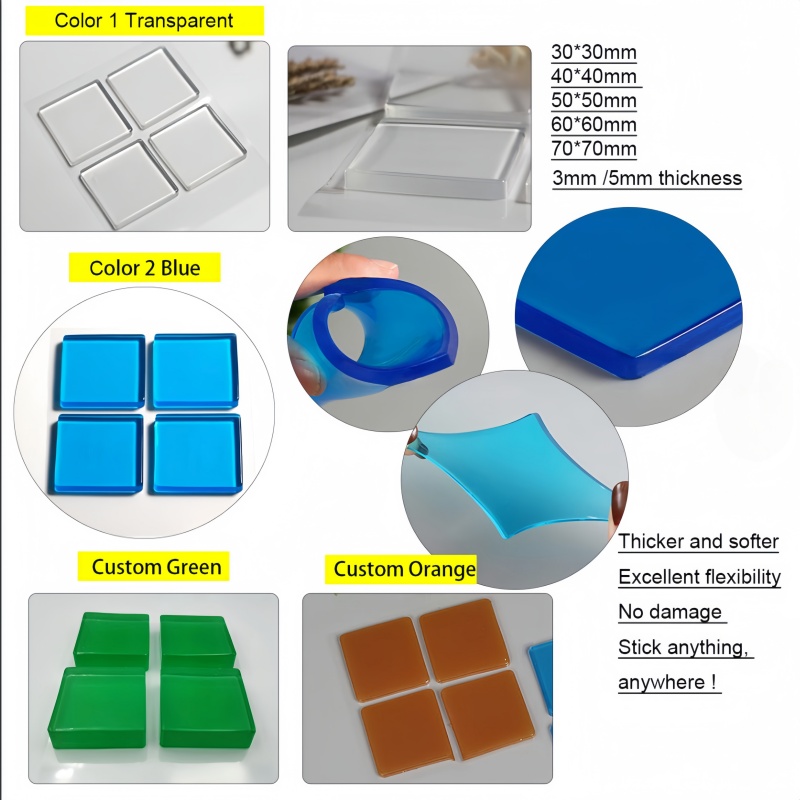
Provide the foam core dimensions and a drawing of the area to be covered. Rectangular pillows, contoured pillows and travel pillows may require different gel outlines.
A photo with measurements is useful for an initial discussion. A drawing or physical sample provides a clearer basis for development.
Thickness and Weight
Thickness affects the finished pillow profile, flexibility, material consumption and shipping weight.
A thicker gel layer is not automatically the better choice. Compare samples on the actual pillow to find a suitable balance between surface feel, product weight and cost.
Softness and Surface Structure
Gel softness and surface pattern should be selected to suit the pillow construction.
Patterned or recessed designs may change the contact area and how the surface responds under load. Any airflow benefit should be assessed in the assembled pillow, including its cover.
Foam and Cover Compatibility
The finished result depends on the complete assembly.
Check the gel pad together with the foam, adhesive where applicable, protective layers and intended pillowcase. A thick fabric or additional padding may reduce how directly the gel surface is felt.
Existing Mold or Custom Mold
Ask whether an existing gel mold can fit your pillow design before developing a new one.
For a custom shape, confirm mold costs, sample costs and the development schedule before proceeding. These depend on the dimensions and construction required.
What Should You Check in a Pillow Gel Pad Sample?
Evaluate samples in the intended pillow assembly rather than inspecting the gel pad alone.
Check:
Fit against the foam core and inside the cover.
Surface feel, edge transitions and finished pillow height.
Bonding strength or movement inside the pocket.
Appearance after repeated compression and handling.
Product weight and packaging suitability.
Cleaning instructions for each component.
Avoid making cooling-duration or temperature claims until they have been verified under defined test conditions.
Custom Cooling Gel Pads from Moda Summer
Moda Summer supplies cooling gel pads for pillow and mattress applications, with customization based on the intended product and manufacturing process.
For a pillow project, we can review your required dimensions, shape, thickness, surface design and assembly requirements. Samples can be arranged for evaluation before bulk production.
To request a suitable gel pad option and quotation, send us:
Your pillow photo or drawing.
Foam core dimensions and required gel coverage.
Preferred thickness or a reference sample.
Intended assembly method.
Sample quantity and estimated order quantity.
Destination country and postal code.
These details help us assess existing mold options, identify development requirements and prepare a quotation for your project.
Frequently Asked Questions
Can a gel pad be added to an existing memory foam pillow?
It may be possible through surface bonding or a suitable cover pocket. The method depends on the foam shape, cover construction and gel material. Sample testing is recommended before production.
Is a separate gel pad the same as gel-infused memory foam?
No. A separate gel pad forms a distinct layer or insert, while gel-infused memory foam contains gel within the foam structure.
Can the gel pad size and shape be customized?
Custom dimensions and shapes can be reviewed against your drawing or sample. Mold requirements and development costs depend on the design.
Does a cooling gel pillow need electricity?
A passive cooling gel layer does not require electricity. Its surface temperature changes with use and surrounding conditions; it does not provide active temperature control.
What information is needed for a quotation?
Please provide the application, dimensions, thickness, quantity, assembly requirements and delivery destination. A drawing or reference sample helps us assess the project more accurately.
 Why Hot & Cold Therapy Is Becoming Part of Everyday Horse Leg Care
 Long rides are changing what riders expect from a motorcycle seat.