How Gel Pads Are Made: Molds, Filling and Sealing QC
Short answer: Gel pads are made in four stages: a mold sets the shape, gel is filled and sealed, QC checks the result, and the pads are packed to specification. Moda Summer runs this in Dongguan with 20+ years of gel manufacturing, 400+ existing molds and an in-house laboratory.
Stage 1 — The mold sets the shape
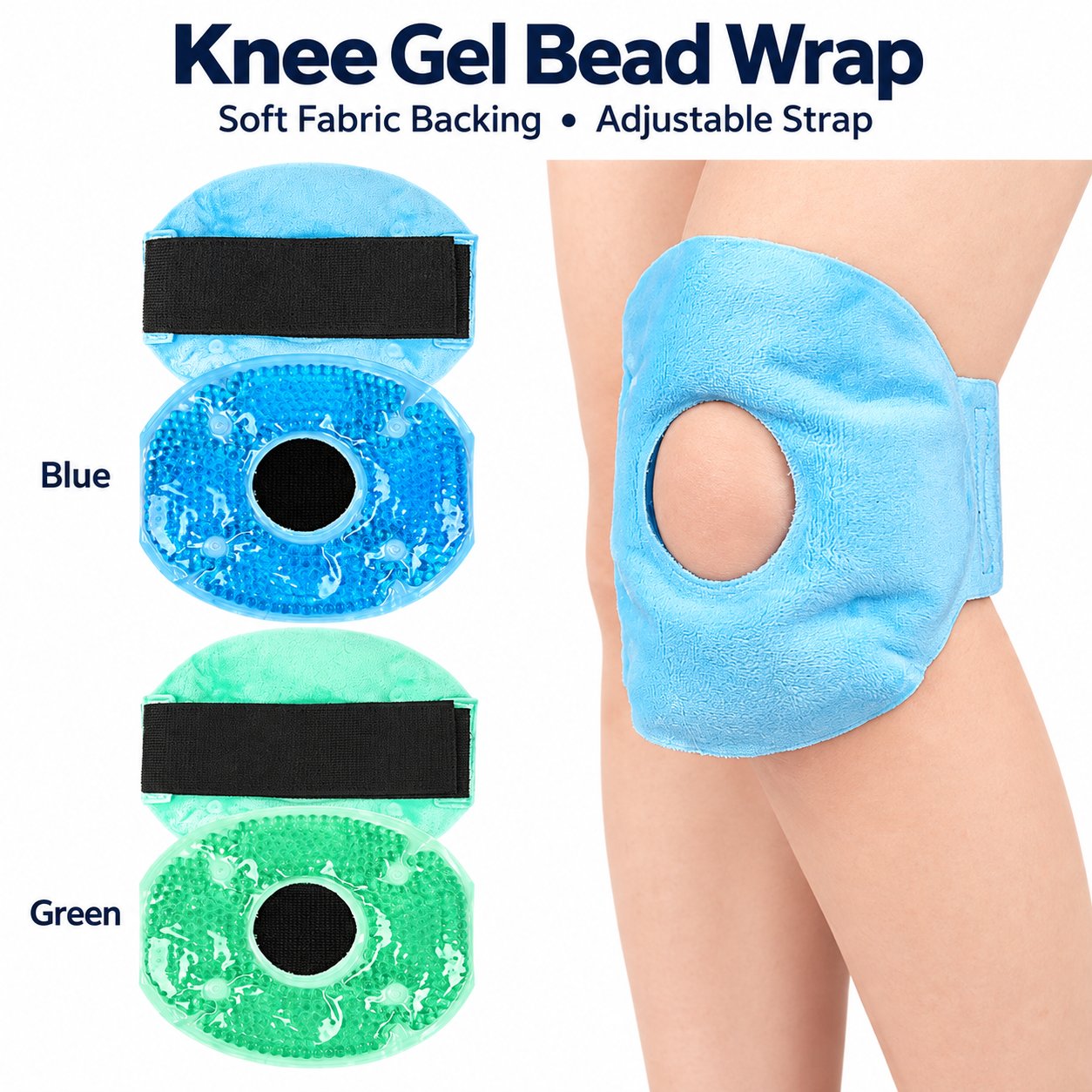
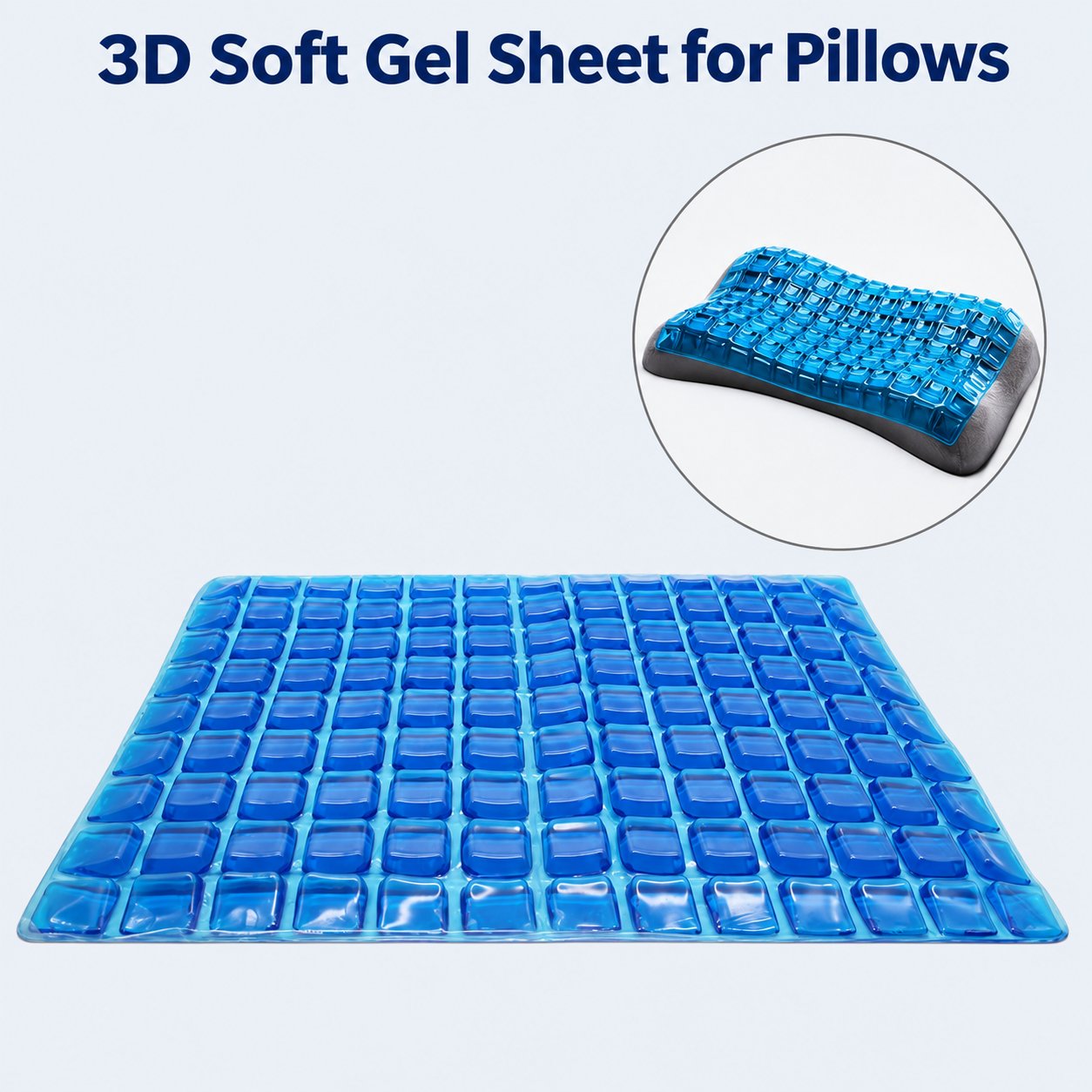
Every gel pad starts with a mold. The mold decides the format: a flat sheet, a shaped insert for a motorcycle seat, a contoured pack for a shoulder, or a panel for a mattress topper. Moda Summer holds 400+ existing molds, which cover most common formats without new tooling. When no existing mold matches the target shape, the size, shape and fill weight are confirmed at the quotation stage and a mold is made for the order.
- Existing mold: the format already exists in the 400+ mold library — the fastest route, no new tooling.
- New mold: a shape no existing mold covers — size, shape and fill weight are confirmed at quotation first.
Stage 2 — Filling and sealing
Gel is filled into the molded form and the pad is sealed. Two things decide whether this stage succeeds: the fill weight, which sets how the pad feels and how much pressure it spreads, and the seal. Leaks are the number one failure in gel packs, so seal quality is checked during production, not only at the end. The fill weight for a custom pad is confirmed at quotation, because it changes with the size, shape and intended use.
Stage 3 — Lab and QC checks
An in-house laboratory and a dedicated QC team check the result. Three checks run during production:
- Seal and leak checks during production — a leaking pad fails before it ever ships.
- Print checked against the approved unit — the artwork on the shipped pads matches the sample the buyer signed off.
- Packing completeness checked per case — every case leaves with the count it should hold.
Stage 4 — Packing to specification
Size, shape, thickness, structure and packaging are all customizable, and the pads are packed to the buyer’s specification. The approved sample locks the specification that production follows, so the shipped goods match what was signed off.
What a buyer should ask at each stage
- Molds: does an existing mold cover the target format, or is new tooling needed?
- Filling and sealing: what fill weight is proposed for this size and use, and how are seals checked?
- QC: which checks run during production, and what happens to a unit that fails one?
- Packing: what packaging and case count apply to this order?
Frequently Asked Questions
How long does it take to make a custom gel pad?
The timeline depends on whether an existing mold covers the format. With 400+ existing molds, most common formats need no new tooling. The size, shape and fill weight are confirmed at quotation, and the approved sample locks the specification before production.
What is the most common failure in gel pads?
Leaks. Seal quality is the number one failure in gel packs, which is why seal and leak checks run during production rather than only at final inspection.
Can a gel pad be made in a shape that is not in the catalog?
Yes. Custom sizes, shapes and fill weights are confirmed at the quotation stage. If no existing mold matches the target shape, a mold is made for the order.
What does the in-house laboratory do?
The laboratory supports the QC team that checks production — seal and leak checks during production, print checked against the approved unit, and packing completeness checked per case.
Is the same process used for hot & cold packs, seat pads and mattress toppers?
The four stages are the same: mold, fill and seal, QC checks, packing to specification. What changes is the mold, the fill weight and the packaging, which are set per product and per order.
What should we send to start a custom gel pad order?
The target size and shape, the intended use, and the quantity. With those, the factory can confirm whether an existing mold covers the format, propose a fill weight, and quote.
 Gel Pillow Inserts: Sizes, Shapes and Integration Methods